Homestead: Bringing Rustic Soul to Your Modern Designs
The Anatomy of a Cozy Font Duo
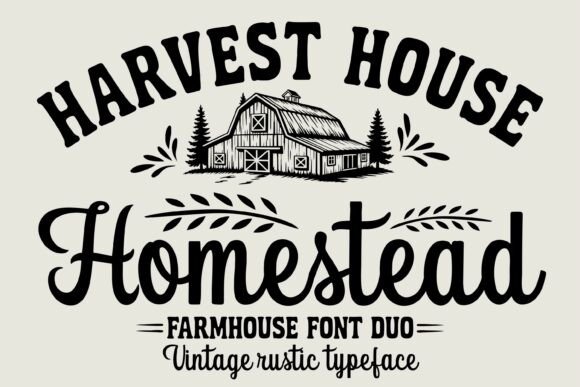
There is a specific feeling evoked by a hand-painted sign on a weathered barn or the faded label on a vintage jar of preserves. It suggests authenticity, warmth, and a story worth telling. The Homestead font bundle captures this exact sentiment, translating the rugged beauty of countryside living into a versatile premium font system. At its core, Homestead is a serif font and script font pairing, but describing it merely by its technical classification misses the point. This is a display font duo designed to evoke emotion before a single word is fully read.
The primary typeface is a sturdy, robust serif. It doesn’t have the sharp, clinical edges of a modern newspaper print; instead, it carries the weight of chiseled wood or cast iron. The serifs are substantial, grounding the text and providing a sense of permanence. This makes it an excellent choice for headlines where you need to command attention without screaming at the viewer. It possesses a vintage market aesthetic that feels established and trustworthy.
Paired with this is a silky, fluid script font. While the serif is the foundation of the barn, the script is the garden vine climbing up the side. It offers a gentle, handwritten font quality that feels organic and personal. It balances the heaviness of its counterpart with a creative font flair that mimics natural brushstrokes or chalk lettering. When used together, these two styles create a visual hierarchy that is both dynamic and harmonious, a hallmark of thoughtful modern typography.
Practical Applications: From Digital Screens to Physical Goods
One of the greatest challenges in design is finding assets that translate well from a 72 DPI screen to a physical object like a t-shirt or a coffee mug. Homestead excels in this crossover. For crafters utilizing machines like Cricut or Silhouette, the clean vectors of the serif font ensure crisp cuts, even on intricate vinyl designs. The bold nature of the typeface means it remains legible on pantry labels or wall art from a distance, solving a common readability issue found in more delicate fonts.
For digital applications, such as web design or social media graphics, Homestead offers a distinct personality. It is an antidote to the sterile, geometric sans-serifs that dominate the tech space. If you are a blogger focusing on slow living, gardening, or DIY home décor, using this typeface in your headers or Pinterest graphics can instantly signal your niche to your audience. It builds brand identity through visual texture. However, a word of caution: because Homestead is a display font, it is best suited for headers, logos, and short bursts of text rather than long-form body copy on screens, where readability at small sizes is paramount.
In the realm of packaging design and editorial design, the bundle shines. Imagine a farmhouse ale label or a boutique candle brand. The serif provides the necessary information hierarchy—product name and weight—while the script adds a touch of artisanal care, perhaps for the scent description or a "Best Wishes" tagline. This combination allows entrepreneurs to create commercial font applications that look bespoke and high-end without the cost of custom hand-lettering.
Mastering the Pairing and Brand Perception
Effective font pairing is often the difference between an amateurish layout and a professional one. Homestead simplifies this process by offering a built-in companion. However, to maximize its impact, you must understand the interplay between the two. The visual weight of the serif demands space. When using it for logo design, allow the letters to breathe; crowding them removes the "rugged" aesthetic and makes the design feel claustrophobic.
Conversely, the script font should be used sparingly to maintain its elegance. It works best for connecting phrases or highlighting key emotional words. If you overuse the script, you risk diluting its impact and making the layout look cluttered. A practical tip for brand identity is to establish a rule: use the serif for all "instructional" text (headers, sub-headers, buttons) and the script for "emotional" text (taglines, quotes, signatures).
Consider the psychological impact on your audience. Typography influences trust. A rustic, established serif suggests reliability and tradition, while a fluid script suggests personal connection and care. By combining them, you tell a story of a business that is grounded in tradition but run by real people. This is particularly effective for small business owners in the food, beverage, or lifestyle sectors.
Evaluating Fit and Licensing
Before integrating Homestead into your next project, take a moment to evaluate the context. Does the project require a sense of history or warmth? If you are designing for a fintech app or a medical journal, this typeface might be the wrong fit. However, if the project involves editorial design for a country lifestyle magazine or merchandise for a music festival, it is a perfect match.
Always review the included styles and glyphs. A robust premium font often includes alternate characters, ligatures, and swashes that can elevate a standard design into something unique. Test these variations in your mockups. Furthermore, ensure you adhere to commercial licensing requirements. Most design assets of this quality come with specific tiers for commercial use. Whether you are creating social media graphics for a client or selling physical t-shirts, verifying your license protects your business and respects the work of the type designers.
Ultimately, Homestead is more than just a collection of letters; it is a tool for storytelling. It bridges the gap between the digital and the pastoral, offering a creative font solution that feels both timeless and relevant. By leveraging its sturdy structure and fluid charm, you can create designs that don't just catch the eye, but also warm the heart.