Katterine Rose: The Handwritten Script for Modern Brands
In a digital world saturated with clean, geometric sans serifs, there's a growing hunger for something more human, more tactile. That's where a well-crafted script font comes into play. It’s not just about legibility; it’s about personality, warmth, and an immediate emotional connection. Among the sea of available typefaces, Katterine Rose stands out as a particularly versatile and charming option, offering a blend of playful energy and contemporary style that’s hard to ignore.
More Than Just a Pretty Script: Understanding Its Character
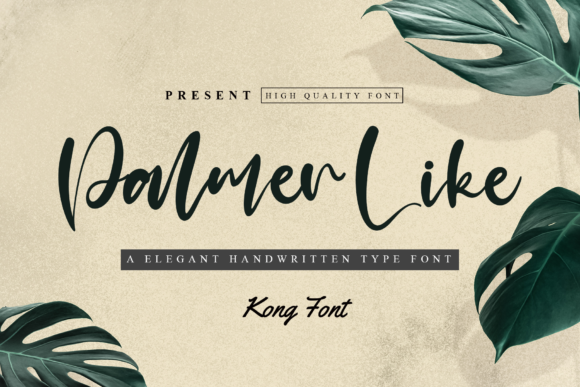
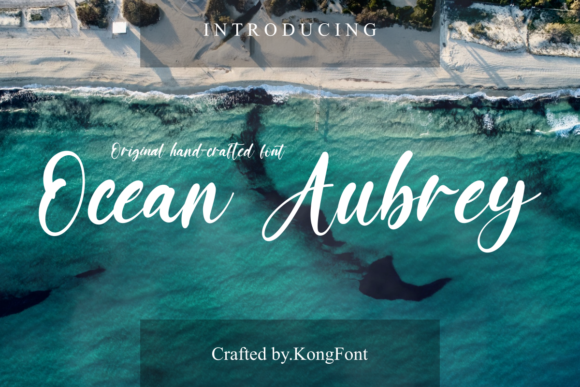
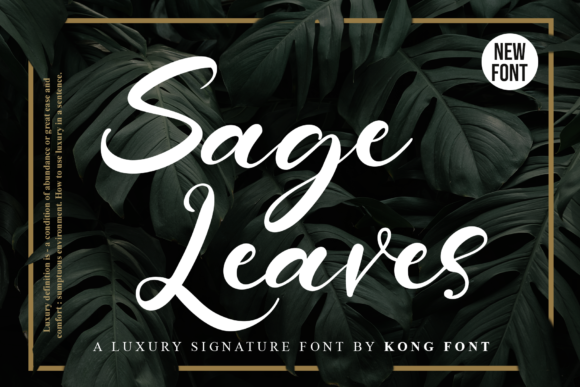
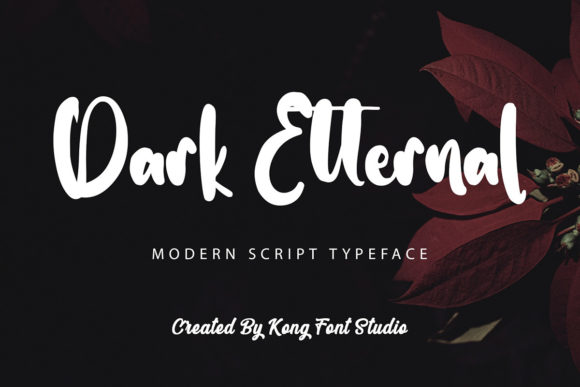
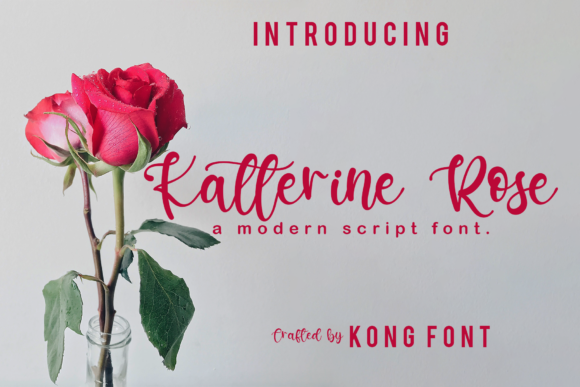
At its core, Katterine Rose is a modern handwritten font. But that simple label doesn't do it justice. Its visual characteristics are what make it special. The letterforms feature a natural, flowing rhythm with gentle, inconsistent baselines that mimic the authentic movement of a hand holding a brush or pen. You’ll notice subtle variations in stroke thickness, giving it a dynamic and organic feel that avoids looking sterile or overly perfect. This isn't a rigid, formal script font; it's approachable, energetic, and carries a distinct sense of joy. Its style leans towards the decorative without sacrificing too much clarity, making it a premium font that feels both personal and professional.
The overall appeal of Katterine Rose lies in its duality. It’s playful enough for a children’s birthday party invitation, yet stylish enough for a boutique skincare brand’s logo. It can feel whimsical and fun, but also elegant and romantic, depending on the context and color palette you use it with. This flexibility is its greatest strength.
Where Katterine Rose Truly Shines: Practical Applications
Knowing a font looks nice is one thing; knowing exactly where to deploy it is what separates good design from great strategy. This creative font finds its sweet spot in projects that aim to connect on a personal level. Think about branding projects for small businesses, cafes, or artisanal product lines. Using Katterine Rose for a primary logo or a wordmark can instantly inject a brand with a sense of care, craftsmanship, and approachability. It tells a customer, "A real person made this."
In the realm of packaging design, it’s a game-changer. Imagine it on a label for homemade jam, a boutique candle, or a special edition coffee blend. It adds a layer of perceived value and artisanal quality. For social media graphics, it’s invaluable. A script font like this can break the monotony of standard post layouts, making quotes, announcements, and special offers pop off the screen. It’s perfect for Instagram stories, Pinterest pins, and Facebook headers where you need to grab attention quickly.
For editorial design and publishing, Katterine Rose can be used strategically. It might grace the cover of a lifestyle magazine, serve as a drop cap in a feature article, or create beautiful chapter headings in a self-published book. In web design, while not for body copy, it’s excellent for hero section headlines, call-to-action buttons, or decorative elements that add flair to a landing page. And of course, for personal projects like wedding invitations, greeting cards, or scrapbooking, it’s a natural fit.
The Strategic Impact: Beyond Aesthetics
Choosing a typeface is a strategic decision that influences how your message is received. Katterine Rose directly impacts brand perception. A brand using this font is often perceived as creative, friendly, and detail-oriented. It helps in building a memorable brand identity that stands out from competitors relying on overused system fonts. Consistency in using such a distinctive font across all touchpoints—from your website to your business cards—builds recognition and reinforces your brand’s unique voice.
However, this impact comes with a responsibility to readability. As a display font, Katterine Rose is designed for headlines and short bursts of text, not for long paragraphs. Its decorative nature means that at small sizes or in dense blocks, it can become challenging to read. This is where understanding visual hierarchy is crucial. Pair it with a clean, neutral sans serif font or a classic serif font for body text. This contrast creates a harmonious and professional layout where the script font provides the personality and the companion font ensures clarity.
Making It Work for You: A Practical Guide
So, how do you go about using Katterine Rose effectively? First, always test it in the context of your project. Create a mockup of your logo, your packaging, or your social media post before finalizing. Does it feel right? Does it align with the brand’s personality?
Next, focus on font pairing. A great pairing is the key to professional design. Try combining Katterine Rose with a geometric sans serif like Montserrat or Poppins for a modern, balanced look. For a more classic or elegant feel, pair it with a transitional serif like Lora or Merriweather. The rule of thumb is to let the script be the star in headlines, and let its partner do the heavy lifting in the text.
Pay attention to the details provided by the font creator, Kong Font Studio. Check the character map—does it include stylistic alternates, ligatures, or swashes? These extra design assets can add even more uniqueness to your work. Finally, and most importantly, understand the licensing. Katterine Rose is a commercial font, meaning you need to purchase the appropriate license for its intended use, whether for a client project, merchandise, or a digital product. Always review the terms to ensure you’re covered.
In the end, Katterine Rose is more than just another script typeface. It’s a tool for adding a genuine, human touch to digital and physical spaces. It’s for the designer, the entrepreneur, and the craacher who understands that sometimes, the most powerful message is one that feels handwritten just for you.