Margita Signature: The Authentic Handwritten Font for Modern Branding
In a digital world saturated with perfectly geometric sans serif fonts and rigid serif typefaces, the human touch has become a rare and valuable commodity. Designers and brand strategists are constantly searching for a way to inject personality and warmth into their projects without sacrificing professionalism. This is precisely where Margita Signature enters the conversation. It is not merely a script font; it is a carefully crafted tool designed to bridge the gap between the convenience of digital text and the irreplaceable warmth of manual handwriting.
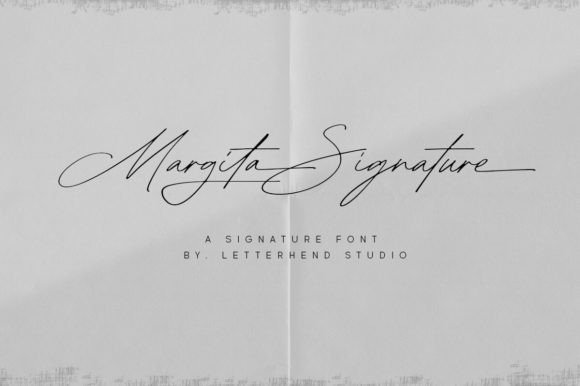
Unlike many generic typefaces that simply slant letters to mimic cursive, Margita Signature is built on the foundation of natural pen strokes. The defining characteristic of this typeface lies in its intricate details: the stylistic alternates and ligatures. These features allow the font to adapt fluidly, ensuring that no two letters connect in a rigid, repetitive pattern. When you type a word using Margita Signature, the result looks remarkably similar to what you would produce with a fine-tipped pen on textured paper. The variation between thick and thin strokes provides a rhythmic, organic flow that digital fonts often lack.
Why Authenticity Matters in Logo Design
For entrepreneurs and small business owners, a logo is often the first handshake with a potential customer. It needs to communicate trust, creativity, and a specific brand identity instantly. Margita Signature excels in this arena because it functions as a high-end display font that commands attention without shouting. When applied to a logo, it suggests that the brand values craftsmanship and personal connection. It moves a brand identity away from the cold, corporate feeling of standard sans serif typography and toward a more bespoke, artisanal aesthetic.
Consider the difference between a bakery logo written in Arial versus one written in a fluid script like Margita Signature. The latter immediately evokes feelings of homemade goodness, tradition, and care. This is the power of choosing the right creative font. It does the heavy lifting of emotional storytelling before the customer even reads the business name. Because Margita Signature includes those stylistic alternates, designers can tweak specific letters to ensure the logo looks unique, avoiding the "off-the-shelf" look that plagues many startups.
Practical Applications: From Print to Digital
The versatility of Margita Signature extends far beyond a static logo. In the realm of editorial design and publishing, this typeface serves as a powerful tool for visual hierarchy. Imagine a magazine cover or a book title; using this font for the headline creates an immediate focal point that draws the reader's eye. It pairs beautifully with a clean, modern serif font or a minimal sans serif font for body text. This contrast—often called font pairing—is essential for readability. The decorative nature of the script captures interest, while the simpler body text ensures the message is delivered clearly.
For those involved in packaging design, the font offers a distinct advantage. Whether you are labeling artisanal candles, organic skincare, or gourmet coffee, the handwritten aesthetic of Margita Signature communicates authenticity. It tells the consumer that there is a human behind the product. Furthermore, in the world of weddings and events, this font is indispensable. It is perfectly suited for invitations, save-the-dates, and thank-you cards. It mimics the elegance of professional calligraphy but at a fraction of the cost, making it a favorite among stationery designers and hobbyists alike.
Digital Presence and Social Media
In the fast-paced environment of social media graphics, grabbing attention is a matter of milliseconds. Margita Signature works exceptionally well for Instagram quotes, YouTube thumbnails, and Pinterest pins. Its fluid lines add a level of sophistication and personality that standard web design fonts often fail to deliver. When creating digital assets, the font's legibility at various sizes is a crucial consideration. While it shines in large headlines, it is important to test how the ligatures render on different screen resolutions. However, for display purposes, it remains a top-tier choice for content creators looking to establish a recognizable personal brand.
Integrating Margita Signature into Your Workflow
Adopting a new premium font requires more than just a download; it requires a strategy. Before applying Margita Signature to a major project, take the time to explore the full character set. Open your design software—whether it is Adobe Illustrator, Photoshop, or Canva—and experiment with the OpenType features. Swapping out standard letters for stylistic alternates can drastically change the mood of the text. For instance, a flowing capital "M" might work for a wedding invite but could be too elaborate for a business card. Testing these variations ensures you are using the font to its full potential.
When evaluating project fit, ask yourself about the target audience. If you are designing for a corporate law firm or a medical institution, a handwritten font might undermine the seriousness of the message. However, for lifestyle brands, creative agencies, fashion boutiques, and personal blogs, the human touch of Margita Signature is an asset. It fosters a sense of intimacy and approachability that rigid fonts cannot replicate.
Licensing and Commercial Use
One of the most critical aspects of professional design is respecting intellectual property. Margita Signature is a commercial font, meaning it requires a license for use in client work, merchandise, and advertising. Before finalizing a design for a client, ensure that the license covers the specific usage rights required. For example, if the font is being used on a product for sale, such as a t-shirt or a mug, an extended license is often necessary. Checking these details upfront protects both the designer and the client from legal issues down the road.
Ultimately, the value of a typeface lies in its ability to solve design problems. Margita Signature solves the problem of digital coldness. It provides a bridge to authentic human connection through its realistic pen strokes and thoughtful design. Whether you are crafting a brand identity, laying out a magazine, or designing a wedding suite, this font offers a blend of elegance and practicality that is hard to match. It is a reminder that in the world of modern typography, the best designs are often those that feel the most human.