Wishbone: A Script Font for Enchanting Branding
When you’re building a brand, every detail tells a story. The colors you choose, the images you select, and the words you write all work together to create a feeling. But one of the most powerful—and often underestimated—storytellers is your typography. A typeface doesn’t just display words; it conveys personality, sets a mood, and speaks directly to your audience’s subconscious. For projects that need a touch of elegance, whimsy, and human connection, the right script font can be transformative. This is where Wishbone enters the conversation, offering a distinct voice for creative professionals.
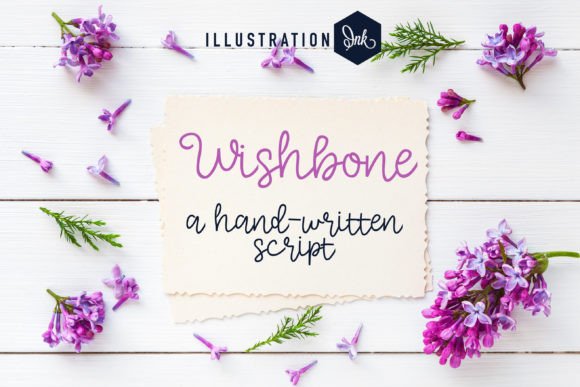
Wishbone is a premium font that exists at the intersection of artistry and utility. It’s a flowing, connected handwritten font with a distinctly modern sensibility. Unlike rigid calligraphy or overly casual scrawl, its letterforms are carefully crafted with delicate, sweeping strokes that feel both spontaneous and refined. The overall personality is one of gentle enchantment—it’s joyful without being childish, sophisticated without being cold. This balance makes it a versatile creative font for designers, entrepreneurs, and creators who want to infuse their work with warmth and authenticity.
The Visual Character: More Than Just Pretty Letters
At its core, Wishbone is a display font, meaning it’s designed to capture attention at larger sizes. Its beauty lies in the details: the natural variation in stroke width, the graceful connections between letters, and the subtle flourishes that give it life. It avoids the heavy, dramatic loops of traditional script fonts, opting instead for a lighter, more airy feel. This makes it feel approachable and contemporary. While it’s a script font, its clarity is notable. Each character is distinct, reducing the risk of letters merging into an unreadable mess—a common pitfall with more ornate scripts.
Think of Wishbone as the typographic equivalent of a beautifully handwritten note on premium stationery. It carries the imperfection and personal touch of a human hand, but with the precision and consistency required for professional use. This duality is its greatest strength. It feels personal and crafted, which builds an immediate emotional connection with the viewer, yet it maintains the legibility needed for brand identity and marketing materials.
Where Wishbone Truly Shines: Practical Applications
The real test of any font is how it performs in the wild. Wishbone’s personality makes it exceptionally well-suited for specific applications where its character can enhance, rather than hinder, the message.
- Branding and Logo Design: For boutique businesses, lifestyle brands, wellness studios, artisanal products, or wedding-related services, Wishbone can form the cornerstone of a logo design. It instantly communicates care, creativity, and a personal touch. It pairs beautifully with a clean sans serif font for body text, creating a harmonious and professional brand identity.
- Invitations and Editorial Design: This is Wishbone’s natural habitat. Wedding invitations, event programs, greeting cards, and magazine feature headlines come alive with its elegant flow. In editorial design, it can be used for pull quotes, chapter titles, or section headers to add visual interest and guide the reader’s eye through a layout.
- Packaging and Product Design: On shelf or screen, packaging needs to tell a quick story. Wishbone can highlight product names, flavors, or key descriptors on labels for cosmetics, food items, or handmade goods, making the product feel special and curated.
- Digital Presence and Social Media: In the crowded space of social media graphics, a distinctive font helps you stand out. Use Wishbone for Instagram story titles, Pinterest pin headlines, or Facebook ad graphics to add a scroll-stopping, artisanal quality. It translates well to web design for hero section headlines or quote graphics, though careful testing for screen rendering is essential.
Strategic Typography: Influence and Impact
Choosing a font like Wishbone isn’t just an aesthetic decision; it’s a strategic one that influences how your audience perceives your brand. Typography directly impacts readability and visual hierarchy. Using Wishbone for a headline creates an immediate focal point, drawing the eye and setting the emotional tone. Pairing it with a more neutral serif font or sans serif font for body copy ensures the overall design remains balanced and easy to read.
The font you choose contributes significantly to brand perception and recognition. Consistent use of a typeface like Wishbone across your design assets—from your website to your business cards to your social media—builds a cohesive visual language. It tells your audience that you value beauty and attention to detail, which can foster trust and loyalty. However, this consistency must be tempered with good judgment. Overusing a distinctive script can dilute its impact and harm readability, especially in long blocks of text or at small sizes.
A Practical Guide to Using Wishbone Effectively
Integrating a premium font into your workflow requires thoughtful execution. Here’s how to approach it like a seasoned designer or brand strategist.
- Evaluate Project Fit: Does the project’s tone align with Wishbone’s personality? It’s perfect for themes of celebration, craftsmanship, romance, or gentle whimsy. It might not be the right choice for a corporate law firm or a tech startup aiming for a razor-sharp, minimalist aesthetic.
- Master Font Pairing: The key to using any display font successfully is pairing. Wishbone demands a calm, stable partner. A geometric sans serif font (like Montserrat or Lato) offers a clean, modern contrast. A transitional serif font (like Garamond or Georgia) can create a more classic, refined pairing. Always test combinations at the actual sizes they’ll be used.
- Check the Included Styles: A quality commercial font often comes with more than just the base alphabet. Look for stylistic alternates, ligatures, and swashes within the Wishbone font files. These extras allow you to customize the look, avoiding repetition and adding unique flair to specific letters in a logo or headline.
- Prioritize Readability: Never sacrifice clarity for style. Avoid setting paragraphs in Wishbone. Use it for short, impactful text. Ensure there is sufficient contrast between the text color and the background. Test it on different devices and print it out to see how it reproduces.
- Understand the License: As a creative font intended for professional use, verify the commercial licensing terms. Ensure it covers all your intended uses, whether that’s for a client’s logo, a printed book, merchandise, or a mobile app. Respecting the license protects you legally and supports the type designers who create these valuable modern typography tools.
Ultimately, a typeface like Wishbone is a powerful tool in your creative arsenal. Used with intention and restraint, it can elevate a project from ordinary to memorable, adding that essential touch of magic that resonates with an audience and strengthens your brand’s unique story. The goal isn’t just to be different, but to be distinctly, authentically you.